What Parents Should Know About Invisalign Treatment for Teenagers
Invisalign has become one of the most requested treatment options for teenagers seeking straighter teeth without traditional metal braces. For parents exploring orthodontic options at Longmont Braces, understanding how Invisalign works, what orthodontists evaluate before recommending it, and what’s expected throughout treatment helps set realistic expectations from the start.
How Invisalign Treatment Works for Teens
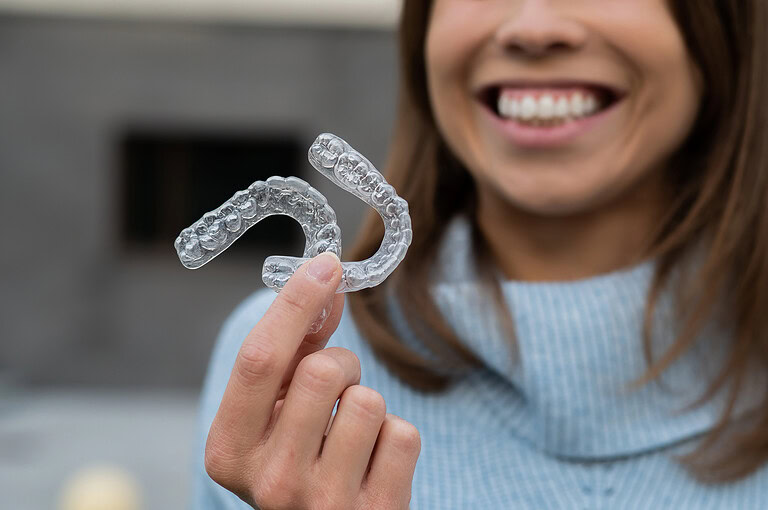
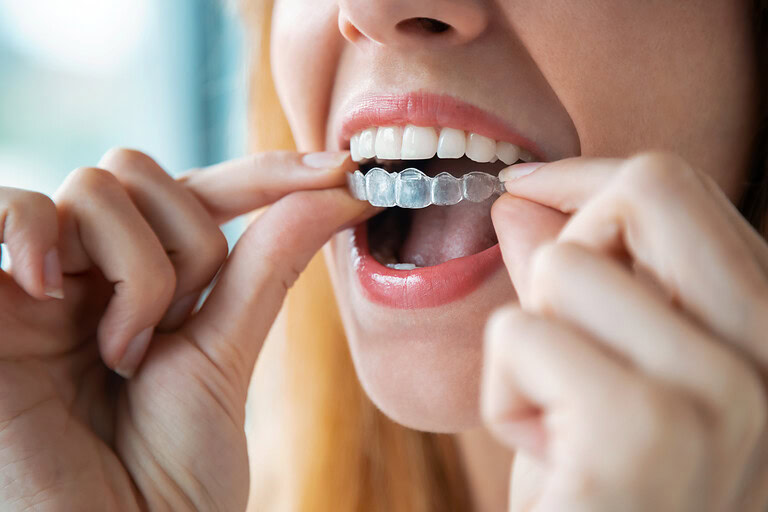
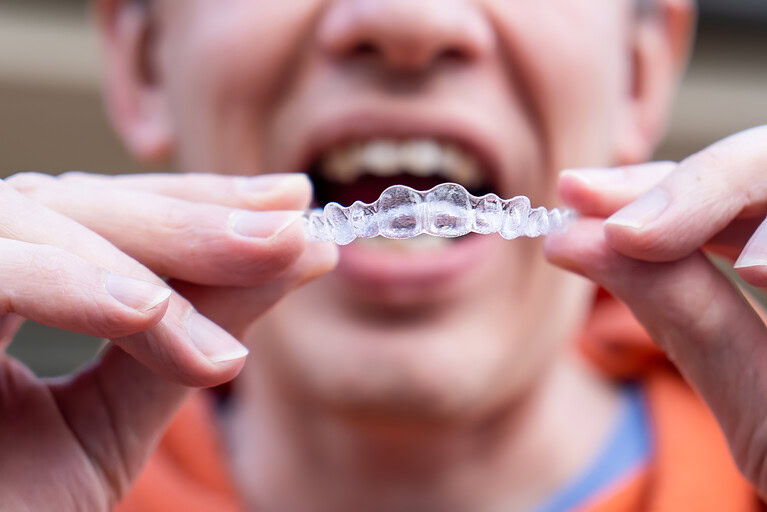
Invisalign uses a series of custom-made, clear aligners to gradually shift teeth into their correct position. Unlike braces, which use brackets and wires bonded to the teeth, Invisalign aligners are removable trays that are swapped out roughly every one to two weeks as treatment progresses.
Each set of aligners is designed to move teeth incrementally, following a treatment plan mapped out in advance using digital scans or impressions. Because the trays are clear and removable, many teens prefer Invisalign for its appearance and the ability to eat and brush without the restrictions that come with traditional braces.
Invisalign for teens also includes some features not found in the adult version, such as compliance indicators that fade over time, giving orthodontists a way to gauge how consistently the aligners are being worn between appointments.
Why Orthodontic Evaluations Are Important
Not every teen is automatically a good candidate for Invisalign, which is why a thorough orthodontic evaluation comes first. During this evaluation, an orthodontist examines bite alignment, tooth spacing, jaw development, and any underlying issues that could affect treatment.
This step matters because teenagers’ mouths are still developing, and orthodontics for a growing patient can differ meaningfully from treatment planning for an adult. An evaluation also helps determine whether Invisalign is the right fit or whether traditional braces would achieve a better outcome for a specific case.
Factors Orthodontists Consider When Recommending Invisalign
Several factors influence whether an orthodontist recommends Invisalign over braces for a teenage patient, including:
- Severity of misalignment. Invisalign is often well-suited to mild-to-moderate cases, while more complex bite issues may still require braces.
- Stage of dental development. Whether permanent teeth have fully erupted can affect timing and treatment approach.
- Responsibility and consistency. Because aligners are removable, orthodontists consider whether a teen is likely to wear them as directed.
- Lifestyle factors. Participation in sports, musical instruments, or other activities can factor into whether removable aligners or fixed braces make more sense.
These considerations are discussed directly with families, so parents understand not just what is recommended, but why it fits their teen’s specific situation.
The Importance of Wearing Aligners as Directed
Unlike braces, which stay in place continuously, Invisalign’s effectiveness depends heavily on consistent wear. Aligners are generally recommended to be worn 20 to 22 hours per day, removed only for eating, drinking (other than water), and brushing.
Because compliance is central to how well Invisalign works, orthodontists monitor progress closely at follow-up appointments. Aligners that aren’t worn as directed can slow progress or require adjustments to the treatment plan, which is why orthodontists communicate wear expectations clearly with both teens and parents at the outset.
Personalized Treatment Planning
No two orthodontic cases are identical, which is why treatment planning is tailored to each patient. After the initial evaluation, an orthodontist develops a plan specific to the teen’s bite, tooth positioning, and treatment goals — whether that plan involves Invisalign, traditional braces, or a combination approach over the course of treatment.
Digital scans and imaging allow orthodontists to map out the full sequence of tooth movement before treatment even begins, giving families a clearer picture of what to expect and roughly how long treatment will take.
Choosing the Right Option for Your Teen
Both Invisalign and braces are effective tools within modern orthodontics, and the right choice depends on the individual case rather than a one-size-fits-all answer. A comprehensive evaluation is the best way to determine which option will produce the most effective and efficient results for a teenager’s specific dental needs.
For families in the area considering treatment, scheduling a consultation with Longmont Braces is a straightforward first step toward understanding which path — Invisalign, traditional braces, or another approach — is the right fit.