The Importance of Personalized Orthodontic Treatment Planning
No two patients arrive at an orthodontic consultation with the same teeth, the same jaw structure, the same growth stage, or the same priorities. A treatment plan that works exceptionally well for one patient may be inappropriate, inefficient, or ineffective for another — even when the presenting concerns look similar on the surface. Orthodontics is not a one-size-fits-all discipline, and personalized orthodontic treatment planning is the process of building a clinical roadmap that accounts for everything specific to the individual: their bite, their bone, their age, their dental history, and their goals.
Understanding why this individualization matters — what goes into a thorough evaluation, how plans are built around different patient types, and what role communication plays throughout the process — helps patients engage more meaningfully with their own care and make better-informed decisions about treatment.
Comprehensive Orthodontic Evaluations — The Foundation of Every Treatment Plan
A personalized treatment plan cannot be built without comprehensive clinical data. The evaluation is where that data is gathered — and the quality of the evaluation directly determines the quality of the plan that follows.
What a Full Orthodontic Evaluation Includes
A thorough orthodontic evaluation goes well beyond a visual inspection of the teeth. The clinical record typically includes:
- Digital X-rays — panoramic images showing all teeth, roots, and bone structure; lateral cephalometric X-rays showing the relationship of the teeth, jaws, and skull in profile
- CBCT (cone beam CT) imaging — three-dimensional imaging used in complex cases to assess bone volume, root position, airway, and jaw joint anatomy
- Digital scans or impressions — precise models of the teeth and bite used for treatment planning and appliance fabrication
- Photographs — facial and intraoral photos documenting the current presentation and providing reference points for progress monitoring
- Clinical examination — assessment of the bite, jaw function, temporomandibular joints, gum health, and soft tissue
Each of these data sources contributes something the others cannot. A two-dimensional X-ray does not reveal what a 3D scan shows; a digital model does not capture jaw function; photographs do not show bone levels. The evaluation is comprehensive precisely because personalized planning requires a complete picture.
What the Evaluation Is Assessing
The clinical data gathered during an evaluation allows the orthodontist to assess:
- The severity and type of misalignment — crowding, spacing, rotation, tipping, and their distribution across the arch
- The skeletal relationship between the upper and lower jaws — whether a bite discrepancy is dental, skeletal, or both
- Growth status — whether the patient is still growing and whether growth can be used as part of the treatment strategy
- Periodontal bone levels — particularly important for adult patients, where bone support affects how and how quickly teeth can be moved
- Root morphology and position — identifying roots at risk and planning tooth movements accordingly
- Airway and jaw joint health — factors that can affect treatment approach and long-term outcomes
Individualized Care Plans — What Makes a Plan Personalized
The same presenting concern — moderate crowding, for example — can be treated multiple ways, with meaningfully different outcomes depending on which approach is chosen. A personalized care plan matches the treatment approach to the specific clinical situation rather than applying a default protocol.
How Treatment Plans Differ From Patient to Patient
Several clinical variables shape how a plan is built:
Case complexity determines the scope of treatment. Simple alignment cases may be well-suited to limited orthodontic treatment of shorter duration. Complex bite corrections, cases involving missing or impacted teeth, or cases requiring coordination with restorative dentistry require comprehensive planning and a longer treatment arc.
Skeletal vs. dental discrepancy determines what can be addressed orthodontically and what cannot. A mild skeletal discrepancy in a growing patient may be intercepted with growth modification appliances. The same discrepancy in a fully grown adult may require orthognathic surgery if correction is desired, or orthodontic compensation if surgery is not an option the patient wishes to pursue.
Extraction vs. non-extraction planning reflects the available space in the arch relative to the teeth that need to fit within it. Whether extractions are appropriate depends on the degree of crowding, the position of the teeth, the patient’s facial profile, and the desired outcome — not a fixed rule applied uniformly.
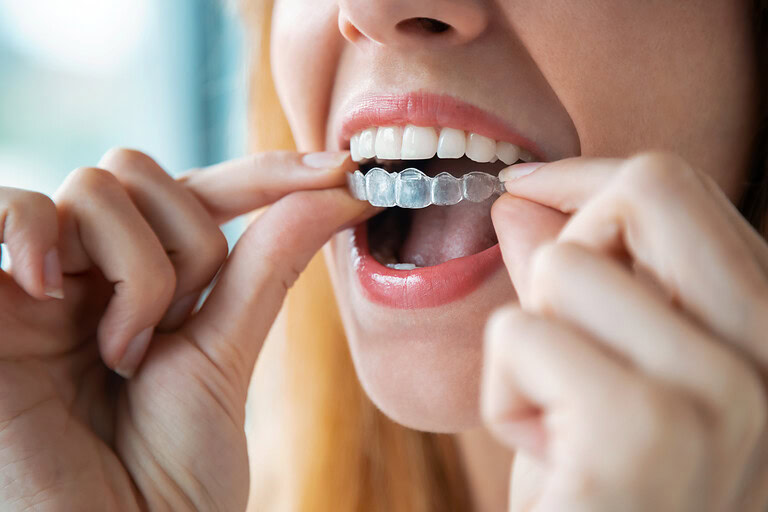
Appliance selection reflects both clinical appropriateness and patient lifestyle. Braces — whether traditional metal or ceramic — apply continuous force and are the most reliable option for complex tooth movements and significant bite corrections. Invisalign and other clear aligner systems offer a more discreet alternative for cases where compliance is reliable and the clinical requirements fall within what aligner technology can predictably achieve. Some cases benefit from a combination of both. The plan should reflect what will produce the best outcome for that patient’s specific tooth movements — not simply the option the patient prefers.
Treatment Planning Across Age Groups
Orthodontic patients span a wide age range, and the clinical considerations — and therefore the treatment plans — differ meaningfully across groups.
Children — Early Interceptive Treatment
Pediatric orthodontic evaluation is recommended by age seven, not because most children need treatment at that age but because certain conditions are most effectively addressed during active growth. Phase 1 interceptive treatment is appropriate when early intervention can prevent a more complex problem from developing — expanding a narrow palate before sutures fuse, creating space for erupting teeth, or addressing a skeletal discrepancy while growth provides a treatment lever that will not be available later.
Not every child who sees an orthodontist at seven needs treatment at seven. A significant portion of early evaluations result in the recommendation to monitor and wait — which is itself a clinical decision, not a missed step.
Teenagers — Comprehensive Treatment During Peak Growth
The teenage years represent the most common and often most clinically efficient window for comprehensive orthodontic treatment. Bone remodeling is active, tooth movement is relatively rapid, and all permanent teeth — with the exception of third molars — are typically in place. Compliance considerations are particularly relevant during this phase: a teenager in braces requires less daily discipline than one in clear aligners, and that difference is part of the clinical conversation when selecting an appliance. The patient’s willingness and ability to maintain the treatment protocol is part of the individualized assessment.
Adults — Treatment in a Different Biological Environment
Adult orthodontic treatment operates within different biological parameters than teen treatment. Bone density is higher, tooth movement is slower, and pre-existing conditions — periodontal disease, restorations, implants, missing teeth — affect both what can be done and how it must be sequenced.
Adult treatment plans frequently require coordination with other dental providers: a periodontist for patients with gum disease or bone loss, a restorative dentist for cases involving crowns, veneers, or implant placement, or an oral surgeon for cases requiring extraction or jaw surgery. This interdisciplinary coordination is part of the personalized plan — not an add-on to it.
Patient Understanding and Communication Throughout Treatment
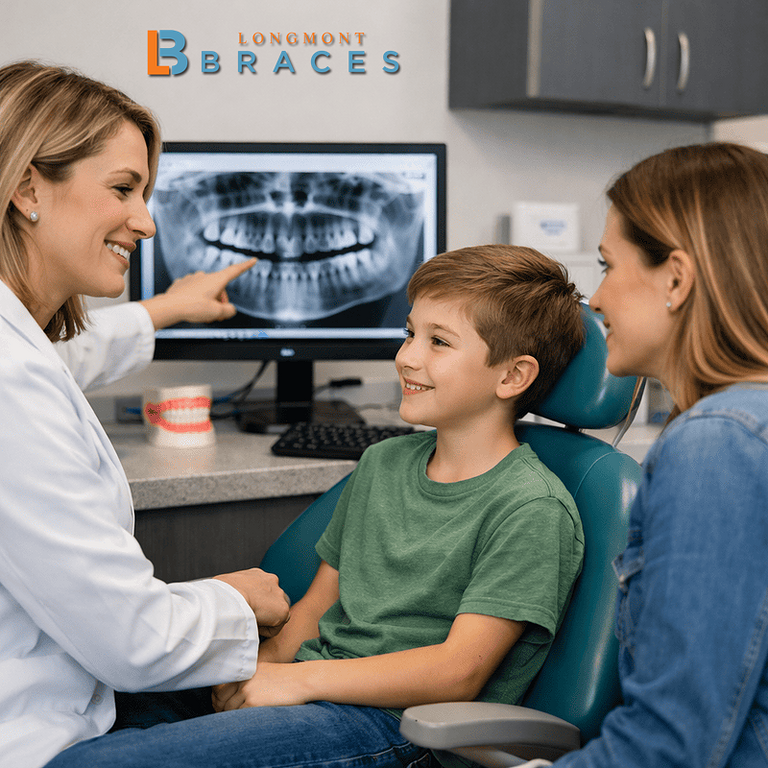
A treatment plan that exists only in the orthodontist’s mind is not fully realized. The patient must understand what the plan is, why specific decisions were made, what the treatment will involve, and what their role in the process is. This communication is not a courtesy — it is a clinical necessity.
Informed Consent Is the Beginning, Not the End
Informed consent requires that patients understand the proposed treatment, the alternatives available, the anticipated duration, the expected outcomes, and the risks involved. A patient who understands why their plan was designed the way it was is more likely to comply with treatment requirements, report concerns promptly, and maintain realistic expectations about what treatment can achieve.
Communication During Active Treatment
Orthodontic treatment unfolds over months to years. Clinical circumstances change — teeth respond differently than anticipated, life circumstances affect compliance, and new dental work may need to be accommodated. A treatment plan that was appropriate at the start may need to be adjusted at the midpoint.
Mid-treatment communication — explaining why adjustments are being made, what progress has occurred, and what remains — keeps the patient engaged and avoids the frustration that comes from feeling that treatment is proceeding without explanation. Patients who feel informed are patients who complete treatment.
Setting Expectations About Retention
The plan does not end at the removal of braces or the delivery of the final Invisalign tray. Retention — and the patient’s understanding that retainer wear is a permanent, lifelong commitment — is the final and often most underemphasized component of the treatment plan. Teeth that moved with treatment will shift without retention. Communicating this clearly, and building retention into the plan from the beginning, is part of what makes treatment outcomes last.